
The Conversation Project: Why Funeral Service Missed the Boat
September 21st, 2012
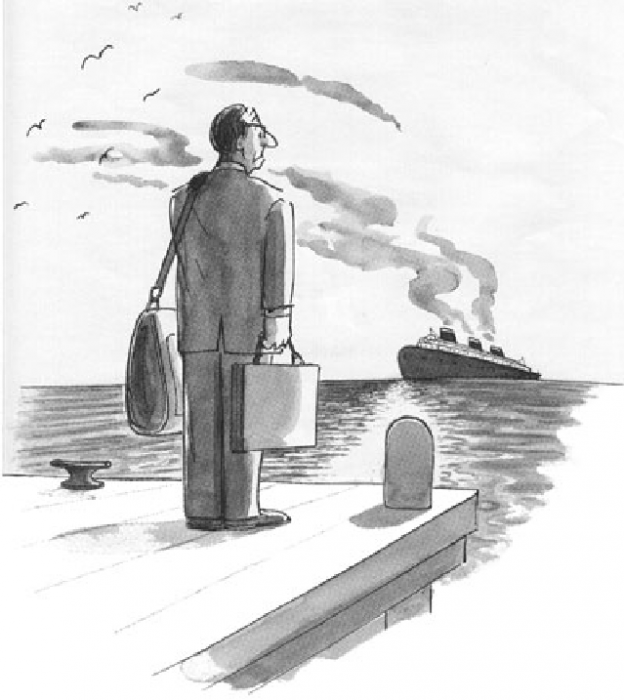
“Everyone has a story, of a good death or a hard death, and we know the difference between those two stories is often whether they have the conversation.”
– Ellen Goodman, Co-founder of The Conversation
Have you heard about The Conversation Project yet?
Recently founded by Boston Globe columnist, Ellen Goodman and former Medicare chief, Dr. Don Berwick, its goal is to get people talking about their end-of-life wishes.
The public awareness campaign brings up some interesting points, such as this one: “80% of people say that if seriously ill, they would want to talk to their doctor about end-of-life care, while only 7% have an end-of-life conversation with their doctor.”
In my opinion, it’s ingenious, because “the conversation” is an extremely important one to have – yet no one wants to have it.
This effort is a little different from similar projects of its kind because it’s driven by social media and educational content. Heck, when I visited the website, I actually did write down some of my end-of-life wishes.
I was happy to see Goodman and Berwick collaborating to create a new-age campaign like this, but after reading about it, I sat at my desk puzzled, asking myself…where was the funeral profession on this one?
Ryan Thogmartin was right when he said “As members of the funeral profession why are we OK with the conversation about our area of expertise being controlled by someone else?”
He couldn’t have said it better.
I really think the funeral profession missed the boat on this one. Let me explain.
The Conversation Project presents three very prominent opportunities for this profession:
1. Improve the funeral profession’s reputation
I don’t know why or how this horrible misconception came to be, but unfortunately, the funeral profession is seen in a very bad light to the media, Hollywood and the general public. We’re seen as creepy, cold human beings who handle dead bodies, and that’s it. The Conversation Project would have been the perfect opportunity to shoot that misconception down.
The Harvard Business Review recently said: “The first place for these hard [end-of-life] conversations is not in medical offices with doctors, who are often uncomfortable with and untrained in initiating them, and it’s certainly not in emergency rooms or intensive care units. It’s at the kitchen table.”
The Conversation Project is there to facilitate those hard conversations. But as a profession who specializes in helping families make their loved one’s end-of-life meaningful, we should be a part of this.
2. Decrease direct cremations
Numbers don’t lie. 60% of people say making sure their family is not burdened by tough end-of-life decisions is “extremely important”. And when it comes down to actually planning the loved one’s funeral, no one wants to get stuck with those decisions. The easy way out? Direct cremation.
With the “Me” generation making up most of our business, there’s a trend forming where families are doing what’s easier for them, and not meaningful to the loved one. For them, it’s easier to choose the more affordable, or the less-complicated funeral arrangement.
I firmly believe that if end-of-life wishes were communicated, direct cremation wouldn’t exist.
Let’s be honest – if asked, I’m sure very few people would want to be remembered by being sent directly to an urn, with no celebration of their life involved. What The Conversation Project does to solve this equation is it makes it easy for people to actually put their end-of-life wishes in writing.
The “Conversation Starter Kit,” is a downloadable PDF that shows users how to communicate their wishes in 4 easy steps. When they’re finished, they’re encouraged to keep that document and share it with their families. What a wonderful way to get people talking – educating them, and guiding them along the process.
3. Increase preneed leads
There are tools and websites that are dedicated to helping families preplan their funeral. But is preplanning a funeral really where the conversation should start? I don’t think it is.
The Conversation Project takes the daunting part out of planning for the future. While it may not drive people to flood your funeral home asking you whether you take cash or credit, The Conversation Project demonstrates the importance of planning ahead.
The families of today want to know their death will be meaningful, and as trained professionals, we can help make sure that happens.
So what’s the solution?
There isn’t just one answer to this question, there’s many. The most important lesson we can learn from The Conversation Project is that we need to get involved with organizations in the community who could benefit from our expertise.
We know for certain that whatever it is we’re doing now… isn’t working.
Could our biggest opportunity lie in finding ways to get involved with families before the death occurs (think senior care, hospice, etc.)? I’ll leave the answer up to you…
What do you think? How can the funeral profession get involved with other organizations in the community? Is that the right solution? Share your thoughts!





Krystal, thank you for bringing this to our attention. Last May I wrote an article for the American Funeral Director Entitled “Death: The Last Pornography Emerges From The Closet” They have promised that it will be in this month’s issue. That said. The conversation project is part of a global movement to bring the topic of death into the limelight. those leading this movement do not see funeral service as an enemy but as experts…at least for now until they think they need an enemy and we are conveniently compliant as always… Perhaps the Most prominent of those leading this movement is The Lien Foundation in Singapore that is spending $2,000,000 a year on the agenda. their website http://www.lifebeforedeath.com is chock full of interesting stuff.
this “conversation” is happening outside the industry as most conversations are. Yet it is one the industry is welcome to participate in.
When someone passes of old age you say to yourself he or she had a great life look what they bought to our lives a good that they did in the community or the children that they have bought into the world ..You feel bad that that person is no longer in your ,life, but it is their time to leave us whether your belief is they have gone to heaven they won’t suffer anymore, or have moved on to the other life, eg. It is a disaster when they pass on as a young ,accidents ,or even an illness that is very hard on the loved ones.. The funeral homes should be involved with hospitals or churches that family members will be the first ones to notify the families for their unfortunate deaths. we always need to be sensitive for their needs and misfortune….
Outstanding article…the conversation about death is necessary; however we in the funeral industry need to be more creative initiating the conversations.
Thanks, Jeff. The creativity definitely isn’t there. I think collaboration with other community organizations is where we’ll succeed.
Thanks for the comment Ana 🙂 I agree 100%. I think FD’s are sensitive to the needs, but not seeing the opportunity in helping them make their end-of-life experience count. That’s where the huge piece of the puzzle is missing…
Thanks, Alan. I’ll have to look into that foundation. Interesting, indeed. So many people see preplanning as a “scary” or “awful” decision to make. For example, I’m embarrassed to admit I watched the episode of The Kardashians where the mom preplanned her funeral, and her family got mad at her and said it was “creeping them out.” That view needs to be changed, because those conversations are more than important… they’re what will keep this profession afloat in 10 years.
[…] experts that advise the funeral profession discussed how talking about our death care would “decrease direct cremations”. The focus seemed to be on how surviving family were opting for direct cremation as the […]
[…] an article written by Krystal Penrose of funeralOne she takes my question a step further and breaks down three very prominent opportunities for this […]
[…] A new effort to get people talking about their end-of-life wishes has emerged, and it’s called The Conversation Project. It combines social media with educational resources, and it’s been extremely successful thus […]
[…] A new effort to get people talking about their end-of-life wishes has emerged, and it’s called The Conversation Project. It combines social media with educational resources, and it’s been extremely successful thus far. […]
I’m still a bit unsure of where to start the conversation. On FAcebook? with our Hopsice Staff? In a small town who should we strive to meet with first?
The first step is to think outside of your funeral director mindset and think about how you would want to be approached about your end of life decisions. At NFDA this year, Bill McQueen revealed that over 60% of hospices are recommending that their patients choose a direct cremation. Could it be because there’s a lack of trust in funeral service? A number of funeral homes build trust with Hospice organizations by offering workshops at hospices for families on end of life decisions. That positions you as a go-to in your community for that. Once you build that trust, then it’s time to think about how to approach the consumer directly. Check out The Conversation Project’s website for ideas… it’s very personal and educational… great approach: http://theconversationproject.org/
[…] And until we do start to invest more time and money into research, we’re going to continue missing the boat on some big opportunities for each of our individual businesses and the profession as a […]